

How Nintendo Crushed the Handheld Market While Everyone Else Chased Specs
I’m a history teacher from Phoenix and a lifelong Sega devotee. I’ve spent decades arguing that Sega got screwed by market timing and that the Genesis was superior to the SNES. I’ve written countless arguments about why the Dreamcast should have thrived. I refuse to retire the phrase “blast processing” even though everyone makes fun of me for it. So when I say the Game Boy is the most successful handheld console ever made, understand that I’m saying this through gritted teeth. Because the Game Boy wasn’t made by Sega. It was made by Nintendo. And I’m here to tell you that Nintendo absolutely dominated the handheld market in a way that makes the console wars look like a gentle disagreement.
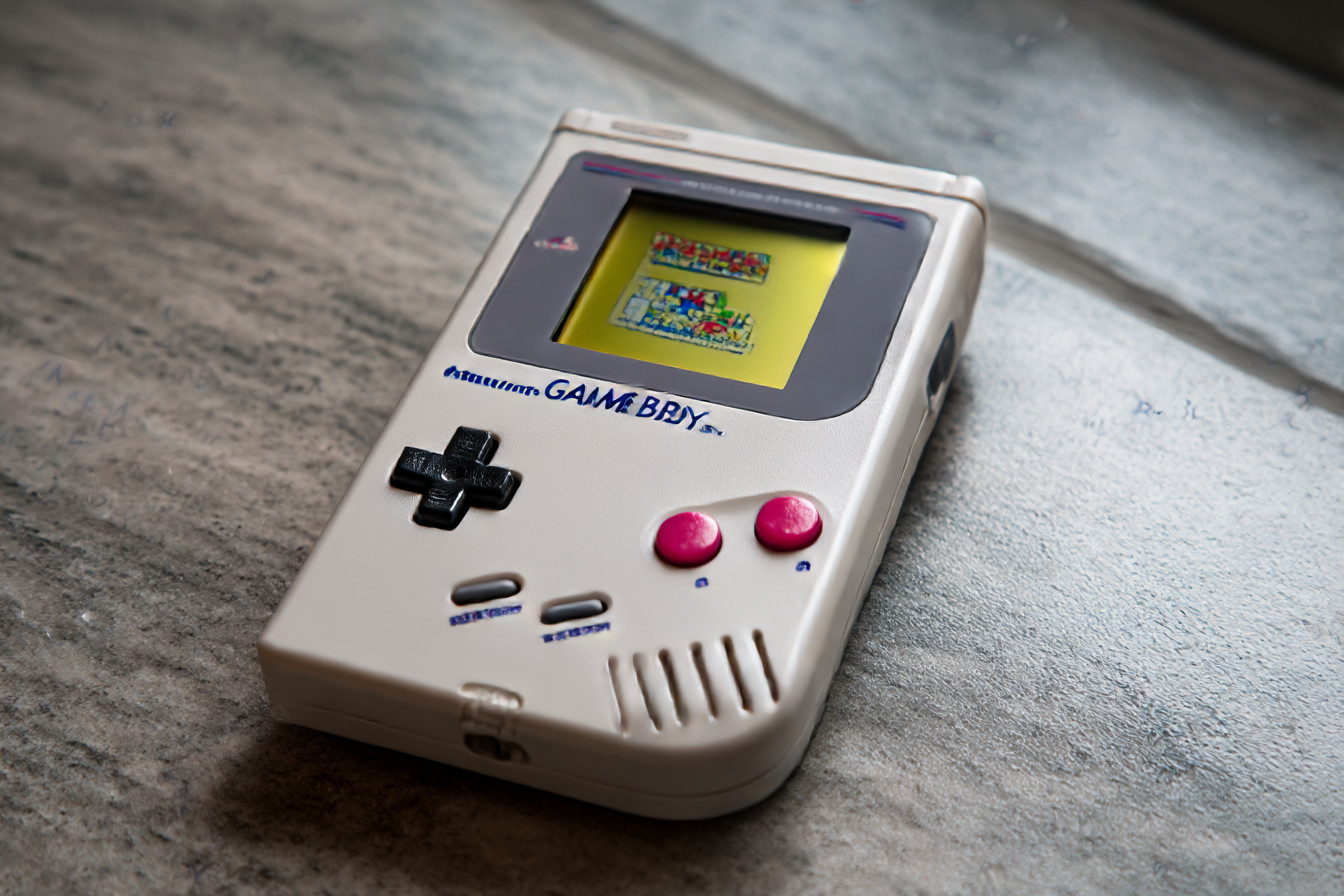
The original Game Boy launched April 21, 1989, in Japan and July 31, 1989, in North America. Including the Game Boy Color variant, the system sold approximately 118 million units worldwide. That’s more than any home console in this top 10 except the PlayStation 1. The Game Boy didn’t just win the handheld market. It obliterated the competition so thoroughly that competitors barely registered.
Game Boy Technical Specifications
| Specification | Details |
|---|---|
| Release Date | April 21, 1989 (Japan), July 31, 1989 (North America) |
| CPU | Custom 8-bit Sharp LR35902 (Sharp SM83 core) at 4.19 MHz |
| Internal RAM | 8 KB (cartridges up to 32 KB) |
| Display | LCD 160×144 monochrome (4 shades of gray) |
| Sprites | Up to 40 sprites (8×8 to 8×16 pixels) |
| Audio | 4-channel (2 pulse waves, 1 wave, 1 noise) |
| Cartridge Capacity | 32 KB–1 MB |
| Battery Life | Approximately 30 hours |
| Lifetime Sales | ~118 million units (including Color variant) |
| Generation | 8-bit handheld |
The Competition That Didn’t Matter
Before we talk about why the Game Boy won, we need to understand what it was competing against. The Sega Game Gear. The Atari Lynx. The Nintendo Virtual Boy. The competition had better specs. The Game Gear had a color screen. The Atari Lynx had more processing power. The Virtual Boy had 3D. By every objective measure of raw hardware capability, the Game Boy shouldn’t have won.
But it did. And that’s because specs don’t matter if your battery dies after five hours.
The Game Gear was a technical marvel. Color LCD screen in 1990 was impressive. Better graphics than the Game Boy. But the Game Gear ate through four AA batteries in about five hours. That meant you needed to carry batteries with you. That meant you needed to buy batteries constantly. That meant a device that was supposed to be portable was actually tethered to a power source because the battery life was so bad.
The Atari Lynx had similar problems. More processing power didn’t matter if the battery couldn’t keep it running for more than a few hours. The Virtual Boy had 3D, which was cool, but the system made people physically sick after playing for more than a few minutes.
The Game Boy had 30 hours of battery life on four AA batteries. That meant you could go on a week-long road trip and only need to change batteries once. That meant you could play it wherever you wanted without worrying about power. That wasn’t a minor advantage. That was the decisive factor.
Hardware: Intentional Limitations
The Game Boy used a custom 8-bit Sharp LR35902 CPU with a Sharp SM83 core running at 4.19 MHz. That’s slower than the Game Gear. That’s slower than the Lynx. The display was a monochrome LCD with 160×144 resolution showing only four shades of gray. The Game Gear had a color screen. The Lynx had higher resolution. The Game Boy’s internal RAM was only 8 KB, expandable to 32 KB with cartridges.
These weren’t limitations that Nintendo was forced to accept. They were deliberate design choices. Nintendo understood that you couldn’t have a color screen and 30-hour battery life. You had to choose. Nintendo chose battery life. That choice determined everything.
The monochrome display meant less power consumption. The 4.19 MHz CPU meant less power consumption. The 8 KB internal RAM meant less power consumption. Every design decision was focused on minimizing power draw so the system could run for 30 hours on four batteries.
This was the engineering philosophy that the Game Gear and Lynx got wrong. They tried to deliver cutting-edge graphics and processing power in a portable form. But they couldn’t deliver the battery life that made a portable system actually portable. Nintendo understood something fundamental: portability means nothing if you’re always hunting for batteries.

Tetris: The Killer App
The Game Boy launched with Tetris. That’s it. Just one game. But Tetris was the killer app that everything else had been waiting for. Tetris is a simple puzzle game. You arrange falling blocks. You clear lines. That’s the entire gameplay loop. But it’s addictive in a way that almost no other game has ever achieved.
Tetris made the Game Boy essential. Parents who didn’t care about video games would buy a Game Boy because they wanted to play Tetris. Kids would beg their parents for a Game Boy to play Tetris. Tetris gave the Game Boy cultural penetration that the Game Gear and Lynx simply couldn’t match.
The Game Gear had arcade ports that looked better. The Lynx had more impressive graphics. But the Game Gear and Lynx didn’t have Tetris. By the time they released their own versions of Tetris, the Game Boy had already established itself as the handheld platform of choice.
The Library: Depth Over Flashiness
The Game Boy library expanded relentlessly over the system’s lifespan. The Legend of Zelda: Link’s Awakening was a full Zelda game on a handheld. Metroid II continued the Metroid series on portable hardware. The Final Fantasy Legend series brought RPGs to handheld gaming. Kirby’s Dream Land showed that Nintendo’s flagship characters could work on a handheld with limited graphics.
By the time competitors had released their flagship titles, the Game Boy already had hundreds of games. The Game Gear had maybe dozens. The Lynx had even fewer. The library depth was absolutely staggering. If you owned a Game Boy, you had options. If you owned a Game Gear, you had Sonic the Hedgehog and maybe thirty other games.
The library advantage fed into itself. More games meant more people bought the system. More people buying the system meant more developers made games for it. More games meant the system was even more attractive to consumers. Competitors couldn’t catch up because the installed base was too large.
The Game Boy Color: Proven Dominance
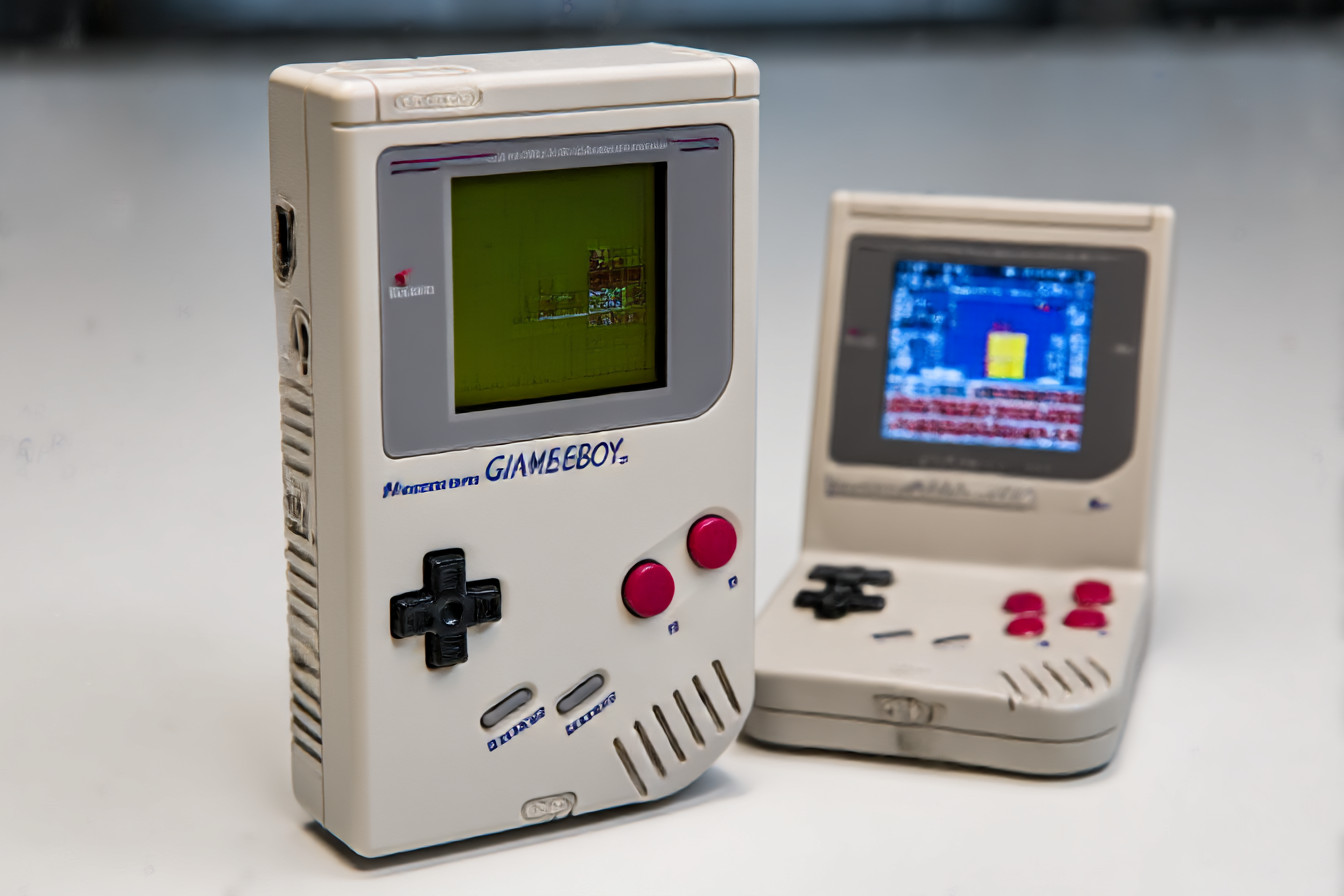
Nintendo released the Game Boy Color in 1998, nine years after the original Game Boy launched. The display was now color. The CPU had been upgraded slightly. The cartridges were still the same form factor, so original Game Boy games still worked. This wasn’t a revolutionary redesign. It was an incremental improvement.
But it didn’t matter. The Game Boy Color sold phenomenally because the Game Boy already had absolute market dominance. People upgraded because their friends had upgraded. Because new games were being released for the Color. Because Nintendo had spent nine years proving that the Game Boy was the handheld platform that mattered.
The Game Boy Color’s release basically cemented Game Boy’s dominance for another five years until the Nintendo DS arrived. The competition was irrelevant by that point. Sega had stopped making handhelds. Atari had faded from relevance. Nintendo’s only real competitor was itself.
Why the Game Boy Won
The Game Boy won because Nintendo understood that portability wasn’t about specs. It was about practicality. A handheld system needs to actually be handheld. That means battery life matters more than graphics. That means durability matters more than processing power. That means a library of actual good games matters more than technical specs.
The Game Boy proved something that the entire industry forgot: you don’t always need cutting-edge hardware to win a market. You need hardware that actually works for its intended purpose. You need a killer app that makes people want to own your system. You need a library of games that keeps people engaged. You need to understand what your customers actually value instead of just chasing specs.
Every competitor of the Game Boy failed because they got the priorities wrong. They optimized for graphics and processing power and ignored battery life. They optimized for technical specs instead of actual user experience. They assumed that better hardware meant more sales. Nintendo understood that better engineering meant more sales.
Does the Game Boy Still Hold Up?
I’ve played the Game Boy. The graphics are primitive. The monochrome display shows four shades of gray. The resolution is low. The sound is basically bleeps and bloops. By modern standards it sounds like a toy. But here’s the thing: it works. The controls are responsive. The games are actually fun. Tetris is still addictive. Link’s Awakening is still engaging.
The battery life is still incredible. A fresh set of four AA batteries will keep a Game Boy running for 30 hours. Modern handheld systems with rechargeable batteries run for maybe 5 to 10 hours. The Game Boy’s battery life is still superior to most modern handhelds in terms of usage per battery investment.
The durability is legendary. Game Boys are still functional after thirty-five years. The LCD screens still work. The buttons still respond. The cartridges still load. I’ve owned electronics that are ten years old that don’t work as well as Game Boys from 1989. That’s the result of good engineering.
118 Million Units: The Market’s Final Word
The Game Boy sold 118 million units including the Color variant. That’s more than any home console on this list except the PlayStation 1. That’s not just commercial success. That’s market dominance so complete that competitors basically gave up.
Sega released the Game Gear. It sold maybe 11 million units worldwide. Atari released the Lynx. It sold maybe 3 million units worldwide. Nintendo released the Game Boy and sold 118 million units. That’s a difference of magnitude. That’s not a close competition. That’s a complete market takeover.
The handheld market wasn’t supposed to be bigger than the home console market. But the Game Boy proved that people wanted games they could carry with them. People wanted portability more than they wanted cutting-edge graphics. People wanted battery life more than they wanted color screens. Nintendo understood that market better than anyone else.
The Lesson
I hate admitting this because I’m a Sega guy. I believe in Sega. I think Sega made better arcade games. I think the Dreamcast was ahead of its time. I think Sega got screwed by market timing and circumstance. But I can’t deny that Nintendo understood the handheld market better than Sega ever did. Nintendo understood that specs don’t matter if your system is dead after five hours of use. Sega didn’t understand that. Sega thought better specs meant better sales. They were wrong.
The Game Boy teaches a fundamental lesson about product design: understanding your customer’s actual needs matters more than chasing specs. The Game Boy was objectively inferior in technical specifications. But it was objectively superior in usefulness. It was a system you could actually carry with you. It was a system you could actually play for extended periods. It was a system that had games you actually wanted to play.
That lesson applies to technology design far beyond gaming. Sometimes the specs don’t matter. Sometimes practicality beats performance. Sometimes battery life matters more than processor speed. The Game Boy proved all of that. And it proved that the market rewards that kind of thinking.
Conclusion
I’m a Sega guy. I’ve spent my life defending Sega’s decisions and arguing that Sega got a raw deal from the market. But I have to acknowledge that Nintendo absolutely crushed the handheld market in a way that makes the console wars look like a polite disagreement. The Game Boy didn’t just win the handheld market. It defined the entire handheld market for the next two decades.
118 million units sold worldwide. That’s not just success. That’s dominance. That’s proof that understanding your market matters more than having the best specs. That’s proof that practicality beats performance. That’s proof that Nintendo understood something about portable gaming that everyone else got wrong.
I still think Sega makes better arcade games. I still think the Dreamcast was ahead of its time. But I have to give Nintendo credit where it’s due. The Game Boy was the right handheld system at the right time. And that’s why it won so decisively.
Rating: 10/10 — The handheld that proved specs don’t matter if your battery dies after five hours
Want to learn more about retro consoles? Check out our complete Top 10 ranking of the best 80s and 90s consoles

Joe’s a history teacher from Phoenix who treats the console wars like actual historical events worthy of serious analysis. A lifelong Sega devotee, he writes with genuine passion, sharp humor, and lingering heartbreak over the Dreamcast’s premature demise. His articles blend nostalgic reflection with the critical eye of someone trained to separate myth from fact. Expect strong opinions, terrible puns, and plenty of references to “blast processing”—a phrase he refuses to retire despite decades of ridicule from his friends.