

Why the Best-Selling Computer Ever Made Defined an Entire Continent’s Gaming Culture
I’m a librarian in Dublin with an encyclopedic knowledge of obscure European computer games that most English-language gaming sites completely ignore. I champion forgotten systems and hidden gems that barely made it to print before the companies folded. I approach retro gaming as cultural preservation, not mere nostalgia. The Commodore 64 is the perfect example of a system that was commercially dominant in Europe while being almost forgotten in North America. It’s a story about regional gaming cultures and how the same hardware could define different continents in completely different ways.
The Commodore 64 launched in January 1982, with production beginning in spring and market availability in August. It used a MOS 6510 CPU (a 6502 variant) running at 0.985 MHz PAL or 1.023 MHz NTSC with 64 KB of RAM (38 KB available for BASIC programs). The VIC-II graphics chip supported 320×200 maximum resolution with 16 colors and 8 sprites. The SID audio chip was genuinely revolutionary with 3 audio channels capable of producing 2 waveforms plus noise and filter effects. Sales estimates place the Commodore 64 at 12.5 to 17 million units worldwide, making it the best-selling single computer model in history. But those numbers don’t tell the real story. The real story is about how the Commodore 64 became the gaming computer that defined European gaming culture in a way that North American gamers simply don’t understand.
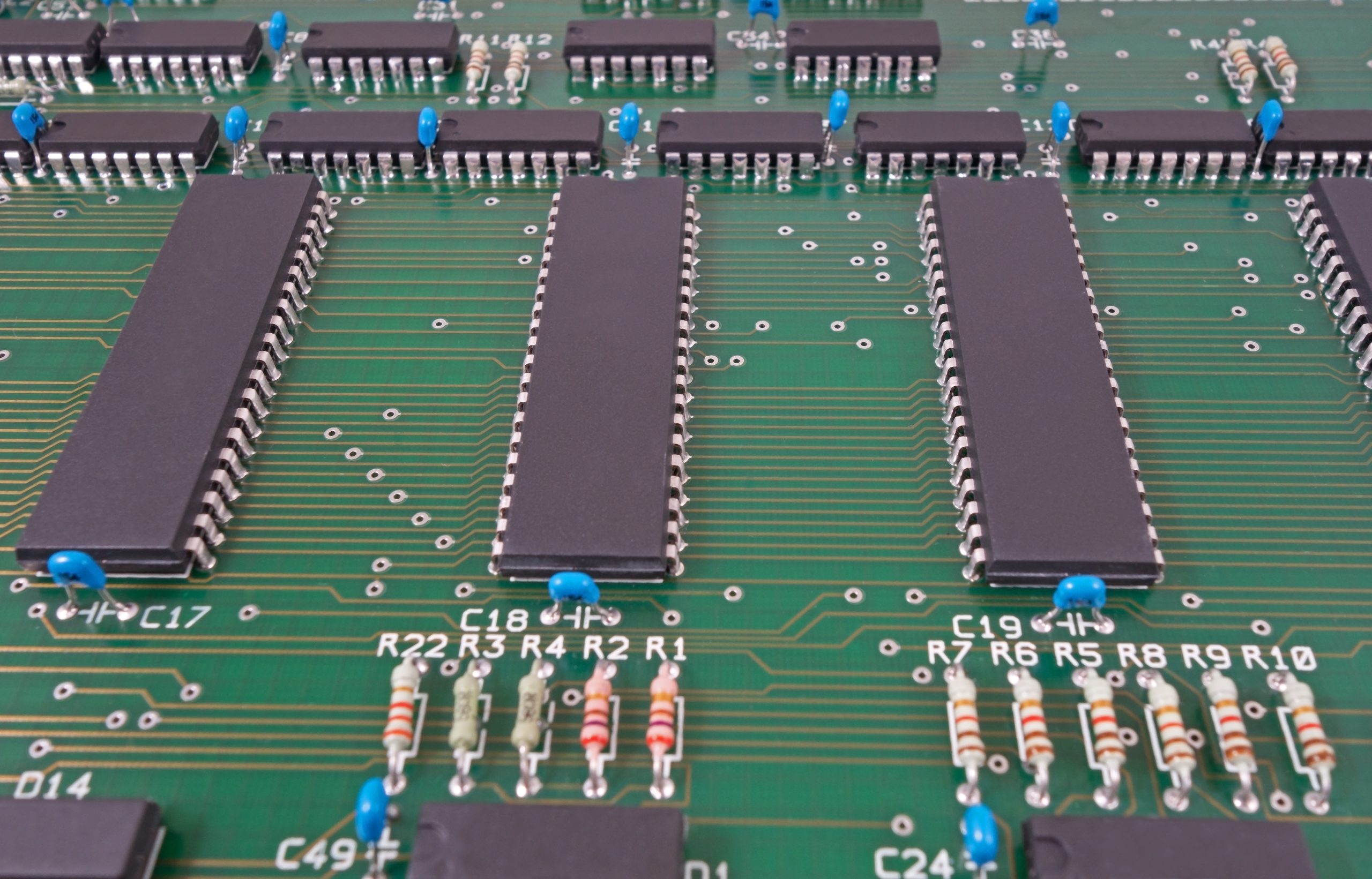
Commodore 64 Technical Specifications
| Specification | Details |
|---|---|
| Release Date | January 1982 (announced), August 1982 (market availability) |
| CPU | MOS 6510 (6502 variant) at 0.985 MHz PAL / 1.023 MHz NTSC |
| RAM | 64 KB total (38 KB available for BASIC) |
| Graphics Chip | VIC-II (320×200 max, 16 colors, 8 sprites) |
| Audio Chip | SID (3-channel: 2 waveforms, noise/filter) |
| Display Raster | 312 lines PAL / 263 lines NTSC |
| Storage | Cassette/Datassette drive |
| Sales Estimate | 12.5–17 million units (best-selling single computer model) |
| Generation | 8-bit home computer |
The Context: Why the Commodore 64 Mattered Differently in Europe
To understand the Commodore 64’s impact, you have to understand that North America and Europe had completely different computing cultures in the 1980s. In North America, the Apple II dominated. The Commodore 64 was seen as a toy computer. A budget alternative for people who couldn’t afford “real” computers. The gaming market was still recovering from the 1983 crash. Home computers were treated as business machines first, gaming machines second.
Europe was different. Europe didn’t have the same capital investment in Apple computers. Europe had different import costs. Europe had different retail structures. In Europe, the Commodore 64 wasn’t a budget toy. It was the computer. It was the gateway to home computing. It was how people learned to program. It was how people played games. It was the platform that defined an entire generation’s relationship with computers.
The Commodore 64 cost around $595 at launch. That was expensive, but it was cheaper than the Apple II at $1,295. More importantly, within a year the price had dropped to $299. Within a few years, you could find used Commodore 64s for well under $200. That price point made home computing accessible to regular people. To families. To kids. That was the Commodore 64’s real market advantage.
The SID Chip: Music That Shouldn’t Have Been Possible
The Commodore 64’s SID chip (Sound Interface Device) was genuinely revolutionary. Three channels of audio with 2 waveforms, noise, and filter effects. That sounds basic by modern standards, but in 1982 it was cutting-edge. Game composers could create music that was genuinely sophisticated. Music that had melody and harmony. Music that sounded like actual composition instead of bleeps and bloops.
Rob Hubbard is the most famous SID composer. His soundtrack work on games like Monty on the Run and Last Ninja is still studied by game composers today. Not because it’s nostalgic. But because Hubbard demonstrated that you could create genuinely excellent music within the SID’s constraints. He understood the chip so deeply that he could make it do things the designers didn’t know were possible.
The SID chip became a defining characteristic of the Commodore 64. Games were valued partly on their music. A game with a bad soundtrack was immediately dismissed. A game with exceptional music became legendary. The SID chip created a culture where audio quality mattered. Where composition mattered. Where sound design was as important as the gameplay itself.
Modern synthesizer enthusiasts still seek out Commodore 64s just to use the SID chip for music production. The SID is considered a legitimate musical instrument. Bands have been formed around SID music. Concerts have been held featuring live SID performances. That’s the legacy of a sound chip from 1982. That’s how influential the SID was.
The Library: Games That Defined European Childhood
The Commodore 64 library in Europe was absolutely massive. Pirate, Impossible Mission, Boulder Dash, Lode Runner, Jumpman, The Last Ninja, Maniac Mansion, Barbarian, Impossible Mission II. These weren’t just games. These were cultural touchstones. These were games that European children grew up playing. Games that defined what gaming meant in Europe.
Pirate was a puzzle game that seems simple until you understand the mechanics. Impossible Mission was an action-adventure game that required patience and problem-solving. Boulder Dash was a cave-mining puzzle game that was addictive in ways that few games have ever achieved. The Last Ninja was a platformer that combined action with exploration. Maniac Mansion was one of the first point-and-click adventure games ever created.
The Commodore 64 didn’t have the arcade ports that the Genesis had. The graphics weren’t as impressive as the SNES. But the library had character. The games felt handcrafted. They felt like they were designed by people who understood the Commodore 64’s specific strengths and limitations. Games weren’t scaled-down ports of arcade machines. They were games specifically designed for home computer play.
Development communities formed around the Commodore 64. Programmers in basements in Germany, Britain, Sweden, and Italy were creating games that rivaled professional productions. The barrier to entry was low. You could learn to program the Commodore 64. You could make games. You could distribute them on cassette. Communities of developers emerged that were collaborative and open in ways that traditional game publishing wasn’t.
The Cassette Problem (And Why It Didn’t Matter in Europe)
The Commodore 64 used cassette tapes for storage. Loading times were brutal. A game could take 5, 10, sometimes 15 minutes to load from cassette. That sounds like a nightmare by modern standards. And it was. But it was also the reality of 1980s computing in Europe. Everyone had cassette players. Everyone understood cassette technology. Disk drives were expensive add-ons that most people couldn’t afford.
The cassette format did create a problem though. You couldn’t just quickly switch between games. You had to load one game, play it, then rewind and load the next one. This meant people tended to stick with one or two games for extended periods rather than jumping between many games. This created a different gaming culture. You got to know your games deeply. You mastered them. You found secrets and strategies that casual players never would.
Later, disk drives became more affordable. The 1541 disk drive reduced load times to just a few seconds. But even with cassette loading times, the Commodore 64 remained dominant in Europe. The games were good enough to justify the wait. The library was deep enough that you didn’t need to switch games constantly.
The Computer That Became a Gaming Machine
The Commodore 64 was marketed as a home computer. It had a BASIC interpreter. It came with educational software. It was supposed to be a machine that taught programming and computing fundamentals. But in practice, especially in Europe, it became a gaming machine. People bought it to play games. They learned programming as a side effect of wanting to modify games or create their own.
This created a unique culture. Gaming and programming weren’t separate things. They were intertwined. You played games and you understood that games were made by people using programming languages. You could look at game code. You could understand how games worked. You could modify them. You could create your own games.
The barrier between player and creator was lower on the Commodore 64 than on any console. You could be a casual player or a hardcore programmer. The same machine supported both. That flexibility created a culture where game literacy was higher. Where people understood games as designed objects rather than just entertainment experiences.

The Commodore 64 in North America vs. Europe
The Commodore 64 was successful in North America, but it was never dominant. The NES arrived in 1985 and immediately captured the console market. The Apple II and IBM PC dominated the computer market. The Commodore 64 was treated as a budget option. A toy for people who couldn’t afford “real” computers or consoles.
In Europe, the Commodore 64 wasn’t competing against the NES in the same way. The NES arrived later in Europe. By the time Nintendo was establishing dominance in Europe, the Commodore 64 had already carved out a massive installed base. Home computers and consoles occupied different market segments. The Commodore 64 was how you played games at home. The arcade was how you played cutting-edge games.
This regional difference is crucial to understanding the Commodore 64’s legacy. In North America, the Commodore 64 is a nostalgic artifact that older gamers remember. In Europe, the Commodore 64 is a foundational system that defined gaming culture. It’s the reason that European gaming culture developed differently from North American culture.
Sales: The Numbers Behind the Story
Sales estimates place the Commodore 64 at between 12.5 and 17 million units worldwide. The most conservative estimates are around 12.5 million. That’s nearly as many as the Sega Genesis. That’s more than the Atari 2600. That’s more than the Sega Master System. The Commodore 64 was a commercially dominant platform by any measure.
But the sales numbers hide the regional distribution. The Commodore 64 was far more successful in Europe than in North America. In some European countries, the Commodore 64 market share was higher than any other single platform. In Britain, the Commodore 64 was practically ubiquitous. In Scandinavia, the Commodore 64 defined gaming culture. In Germany, the Commodore 64 was the computer that everyone had.
This regional dominance is why the Commodore 64 is so understudied in English-language gaming history. English-language gaming sites are based primarily in North America and Britain. The North American narrative focuses on consoles: the NES, the SNES, the Genesis. The British narrative acknowledges the Commodore 64, but doesn’t prioritize it because of the Anglo-American bias toward console gaming.
Does the Commodore 64 Still Hold Up?
I’ve spent time with the Commodore 64. The graphics are pixelated. The color palette is limited. The sound, while historically impressive, sounds basic by modern standards. But here’s what strikes me: the games are still fun. Impossible Mission is still engaging. Boulder Dash is still addictive. The Last Ninja is still challenging.
The responsiveness of the controls varies depending on the game, but many Commodore 64 games have excellent controls. The gameplay is often more important than the graphics. The design philosophy was to make games that were fun, not games that showed off the hardware. That philosophy has aged better than the hardware itself.
The cultural artifacts of the Commodore 64 matter. The box art is distinctive. The instruction booklets often included community content from the developer. The cassettes themselves were objects of value. The Commodore 64 created a culture where the physical and digital aspects of gaming were intertwined. That aspect of the Commodore 64 experience is lost when you emulate it on modern hardware.
The Forgotten History
The Commodore 64’s story is a story of regional gaming culture that’s been largely forgotten in English-language gaming discourse. European gaming developed differently because the Commodore 64 was the dominant platform. Games were designed for Commodore 64’s specific architecture. A generation of European programmers learned to code on the Commodore 64. European gaming aesthetics were shaped by the Commodore 64’s capabilities and limitations.
This is the kind of history that gets lost if we only look at commercial success in North America. It’s why I’m passionate about preserving these stories. The Commodore 64 mattered to millions of people in Europe. It shaped gaming culture in ways that console-focused histories completely miss.
If you want to understand European gaming culture, you have to understand the Commodore 64. If you want to understand why European game developers approach game design differently, you have to know that they grew up on Commodore 64s. If you want to understand the breadth of 1980s gaming culture, you have to acknowledge that in Europe, the Commodore 64 was the platform that mattered.
Conclusion
The Commodore 64 was the best-selling single computer model in history. It sold between 12.5 and 17 million units worldwide. But the sales numbers don’t tell the real story. The real story is about regional gaming cultures and how the same hardware could mean completely different things in different parts of the world.
In North America, the Commodore 64 is a nostalgic artifact. In Europe, the Commodore 64 is foundational. It’s the system that taught a generation how to program. It’s the system that showed that home computers could be gaming machines. It’s the system that proved that you didn’t need arcade ports or cutting-edge graphics to create compelling games.
The Commodore 64’s legacy is preserved in the music. The SID chip remains a respected musical instrument. The games are preserved in emulation. The cultural impact is preserved in the memories of millions of European gamers who grew up with the system.
Understanding the Commodore 64 is understanding a crucial piece of gaming history that’s been largely ignored in English-language gaming discourse. It’s why I’m dedicated to preserving and documenting this history. Because the Commodore 64 mattered. It mattered to Europe. And that matters.
Rating: 9/10 — The best-selling computer ever made and the system that defined European gaming culture
Want to learn more about retro consoles? Check out our complete Top 10 ranking of the best 80s and 90s consoles

Elena is a librarian in Dublin with an encyclopedic knowledge of obscure European computer games that most English-language gaming sites completely ignore. She champions forgotten systems—the Commodore 16, the Spectrum 128K, the Atari ST’s untapped potential—with infectious enthusiasm and genuine expertise. Her writing documents regional exclusives and hidden gems that barely made it to print before the companies folded, preserving gaming history that would otherwise disappear entirely. She approaches retro gaming as cultural preservation, not mere nostalgia.